
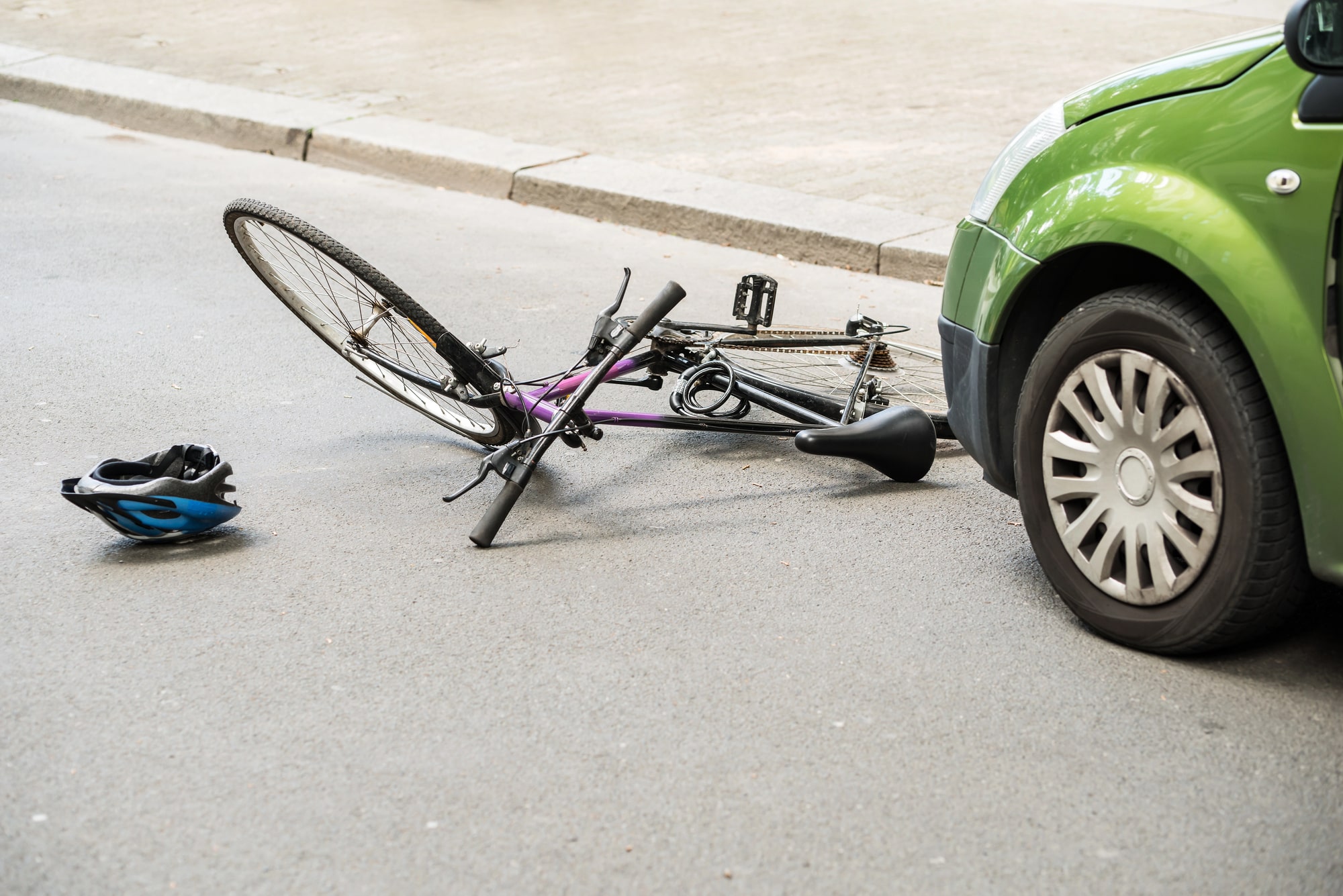
One of the first questions injured cyclists ask after an accident is whether riding without a helmet destroys their ability to recover compensation. It’s a valid concern, especially when insurance adjusters quickly point out that you weren’t wearing protective gear. The relationship between helmet use and legal liability is more nuanced than most people realize.
Our friends at Choulos & Tsoi Law Firm address this concern with nearly every client who wasn’t helmeted at the time of their crash. A bicycle accident lawyer experienced in cycling cases knows that helmet use affects claims differently depending on your location and specific injuries.
The Patchwork Of Helmet Laws Across The Country
Helmet requirements vary dramatically by state and municipality. Some states mandate helmets only for riders under a certain age, typically 16 or 18. Others have no statewide helmet law at all, leaving the decision to local governments.
Cities often impose their own helmet ordinances that differ from state law. You might legally ride without a helmet on county roads but violate city code when you cross into municipal boundaries. This inconsistency creates confusion about legal obligations and how violations affect injury claims.
According to the Insurance Institute for Highway Safety, only a handful of states require all cyclists to wear helmets regardless of age. Most states either have limited age-based requirements or no helmet mandate.
How Helmet Use Impacts Liability
Not wearing a helmet doesn’t make you liable for the accident itself. The driver who hit you still bears responsibility for their negligent actions. Running a red light, failing to yield, or turning without looking constitutes negligence whether you wore a helmet or not.
The question becomes whether your choice not to wear a helmet contributed to your injuries. This distinction matters because it shifts the focus from who caused the crash to whether you made your own injuries worse.
The Comparative Negligence Issue
Many states apply comparative negligence rules to personal injury claims. Under this system, your compensation gets reduced by your percentage of fault. Insurance companies argue that riding without a helmet constitutes contributory negligence that should reduce your recovery.
We see adjusters claim that a helmet would have prevented or lessened your injuries, particularly head injuries and concussions. They’ll argue you assumed the risk of serious harm by riding unprotected. These arguments aim to assign you partial blame and reduce the settlement amount.
The success of this defense depends on several factors. Did local law require you to wear a helmet? Can the insurance company actually prove a helmet would have prevented your specific injuries? What type of injuries did you sustain?
When Helmet Use Actually Matters
Helmet absence becomes legally significant primarily in cases involving head trauma. If you suffered a traumatic brain injury, skull fracture, or severe concussion, insurance companies will absolutely argue that a helmet would have reduced or prevented these injuries.
For other injury types, the helmet argument falls flat. Breaking your collarbone, arm, or ribs has nothing to do with helmet use. Road rash, internal injuries, and orthopedic damage wouldn’t have been prevented by head protection. We push back hard when adjusters try to reduce compensation for non-head injuries based on helmet absence.
Medical Evidence Makes The Difference
The specific medical evidence in your case determines whether helmet use truly matters. Biomechanical experts can sometimes show that a helmet wouldn’t have prevented your particular head injury based on impact forces and collision dynamics.
Not all head injuries are preventable with helmets. High-speed impacts or certain collision angles can cause brain injuries even with proper helmet use. The burden falls on the insurance company to prove, not just speculate, that a helmet would have made a difference.
Violations Of Helmet Laws
If local ordinance required you to wear a helmet and you didn’t, this violation complicates your claim. Traffic violations can establish negligence per se in some jurisdictions, meaning the violation itself proves negligence without additional evidence.
However, courts often require a connection between the violation and the injury. If the helmet law exists to prevent head injuries, and you didn’t suffer head injuries, the violation may be legally irrelevant to your damages.
What Insurance Companies Actually Do
Adjusters raise the helmet issue in virtually every bicycle accident claim, regardless of whether it’s legally relevant. They know many cyclists will accept reduced settlements rather than fight about helmet use.
Common tactics include:
- Claiming helmet use is “common sense” even where not legally required
- Exaggerating how much a helmet would have helped
- Using helmet absence to paint you as reckless or careless
- Offering quick settlements before you understand the law
These strategies work because many injured cyclists assume not wearing a helmet automatically reduces their claim value. That assumption isn’t always correct.
Building Your Case Beyond The Helmet Question
Strong bicycle accident claims focus on the driver’s negligence and your actual damages. We gather evidence showing exactly how the collision occurred, what traffic violations the driver committed, and the full extent of your injuries and losses.
Medical records, accident reconstruction, witness statements, and traffic camera footage all matter more than helmet use in most cases. The goal is proving the driver’s fault and documenting your damages comprehensively.
State-Specific Considerations
How helmet absence affects your claim depends heavily on your state’s laws. Some states bar recovery if you contributed to your injuries at all. Others allow full recovery unless you were more than 50% at fault. Still others reduce damages proportionally regardless of your fault percentage.
Understanding your jurisdiction’s specific rules helps set realistic expectations about case value and settlement negotiations.
If you’re concerned that riding without a helmet will prevent you from recovering fair compensation after being hit by a car, don’t let that worry keep you from exploring your legal options. The impact of helmet use on your claim depends on local laws, your specific injuries, and provable causation between helmet absence and harm. Getting informed legal advice helps you understand how these factors apply to your particular situation.