
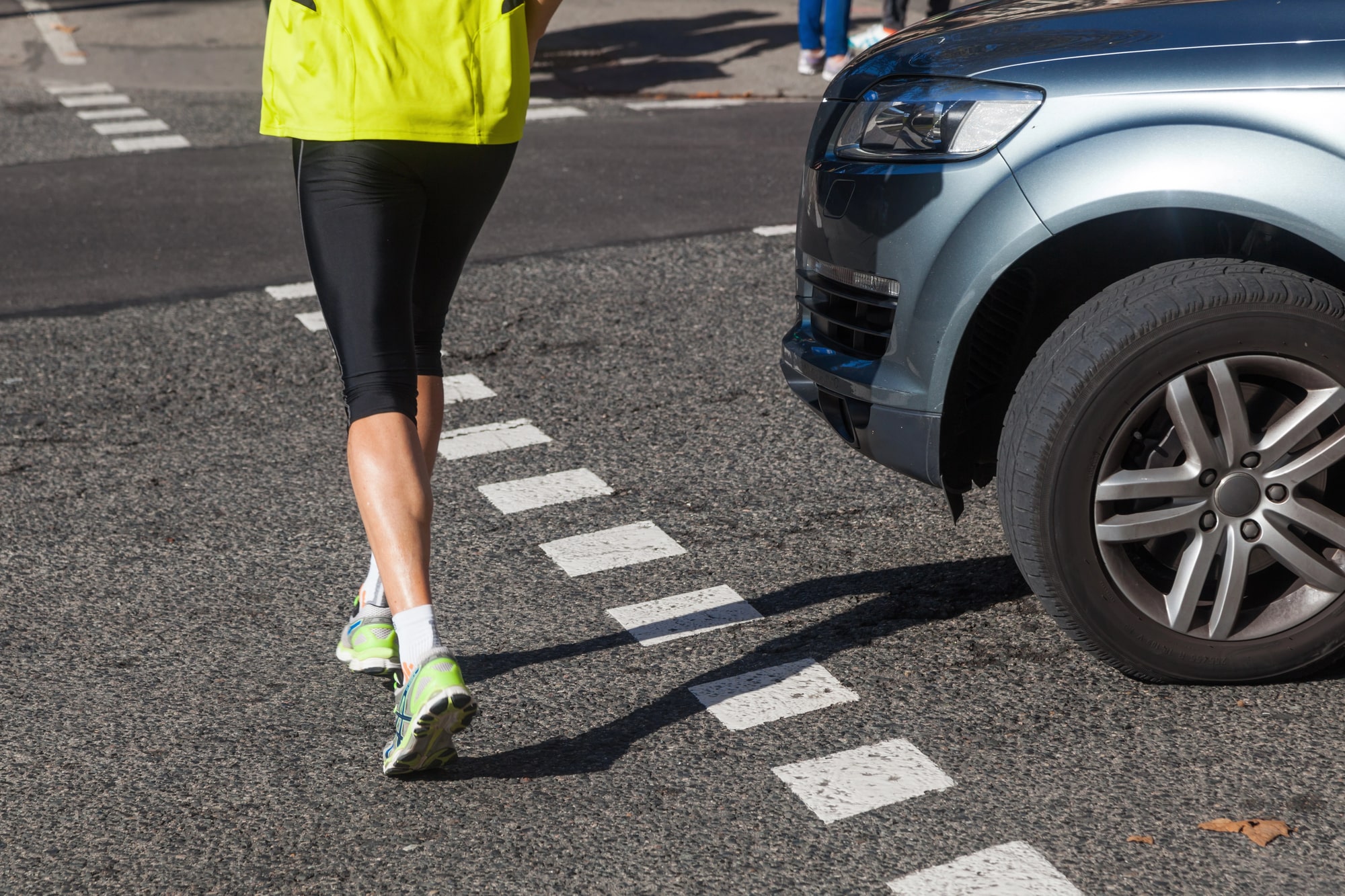
When a vehicle strikes a pedestrian, the outcome is rarely minor. There is no barrier between a person on foot and the force of a moving car, truck, or motorcycle. Injuries tend to be severe, recovery is often long, and the financial impact can extend well beyond the initial hospitalization. The legal claim that follows needs to reflect that reality fully and accurately.
Our friends at Commonwealth Legal Group, PC discuss pedestrian accident cases with injured clients who are often uncertain about who is responsible, whether they bear any fault, and what the claims process actually involves. A Pedestrian Accident Lawyer handling a pedestrian injury case will tell you that these claims have specific legal considerations that set them apart from standard vehicle-on-vehicle accidents.
Who Bears Responsibility in a Pedestrian Accident
Driver Negligence Is the Most Common Cause
Most pedestrian accidents involve some form of driver error. Distracted driving, failure to yield at a crosswalk, speeding through residential areas, running red lights, and driving under the influence all appear regularly in pedestrian injury cases. Drivers have a legal duty to exercise reasonable care around pedestrians, and when they fail to meet that standard, they can be held liable for the resulting injuries and losses.
The National Highway Traffic Safety Administration tracks pedestrian fatalities and injury patterns across the country and consistently identifies driver behavior as the dominant contributing factor in these crashes. That data carries weight when establishing how a pedestrian accident occurred and who bears responsibility.
Other Parties May Also Be Liable
Driver negligence is not the only avenue of liability in a pedestrian injury case. Depending on the circumstances, other responsible parties can include:
- A municipality or government entity responsible for maintaining safe crosswalks, sidewalks, or signage
- A property owner whose poorly maintained premises contributed to the accident
- A vehicle manufacturer if a defect, such as brake failure, contributed to the crash
- An employer if the driver was operating a vehicle in the course of their employment
Identifying all potentially liable parties is one of the first priorities in a pedestrian accident claim because it directly affects what insurance coverage is available and what total compensation may be recoverable.
The Shared Fault Question
Pedestrians are not automatically free from responsibility. Jaywalking, crossing against a signal, walking while distracted, or stepping into traffic unexpectedly can all be raised by the defense as contributing factors. Most states apply comparative negligence principles, which means a pedestrian’s recovery may be reduced in proportion to their share of fault but is not necessarily eliminated entirely.
How shared fault plays out depends heavily on the specific facts of the incident and the negligence standard applied in the relevant jurisdiction. This is one reason why a thorough investigation of the accident scene, witness accounts, and any available video footage matters so much in pedestrian injury litigation.
What These Claims Typically Cover
A well-documented pedestrian accident injury claim can pursue compensation across several categories:
- Emergency medical care, surgery, and inpatient hospitalization
- Follow-up treatment, physical therapy, and specialist consultations
- Prescription costs and medical equipment
- Lost wages during recovery and reduced earning capacity for long-term injuries
- Pain and suffering, including the emotional and psychological impact of the accident
- Permanent disability or disfigurement if applicable
- Property damage, including damaged personal items at the time of the crash
For serious and permanently disabling injuries, the future cost of care and the long-term effect on earning capacity are often the most significant components of the overall claim value.
Steps That Protect an Injured Pedestrian’s Claim
The actions taken immediately after a pedestrian accident have a direct impact on the strength of any legal claim that follows:
- Call law enforcement and make sure a police report is filed at the scene
- Seek medical evaluation right away, even if injuries do not seem severe at first
- Photograph the accident scene, including crosswalk markings, traffic signals, skid marks, and vehicle positioning
- Collect contact information from any witnesses who observed the collision
- Avoid giving recorded statements to any insurance company before speaking with an attorney
- Keep a detailed record of all symptoms, medical appointments, and how the injury affects daily life
Taking the Right Steps After a Pedestrian Injury
If you have been struck by a vehicle while on foot, the physical, financial, and legal consequences deserve to be taken seriously. Our team works with pedestrian accident injury clients to investigate the facts, identify all responsible parties, and pursue the full compensation the injury warrants. We encourage you to reach out to us so we can evaluate your situation and help you understand what your options are.