
Insurance adjusters sometimes suggest that a brain injury claim is doomed once an injured person shares any responsibility for the accident. In Kentucky, that assumption is simply wrong, and the actual rule works very differently.
Kentucky’s Rule On Shared Fault
Kentucky follows a pure comparative fault system under KRS 411.182, meaning an injured person can recover damages even if they are found to be significantly more at fault than the party they are suing. Unlike many other states, there is no percentage threshold that bars recovery entirely.
How This Differs From Most Other States
A majority of states use some version of a modified comparative fault rule, cutting off recovery once an injured person’s fault reaches 50 or 51 percent. Kentucky has no such cutoff. A person found 70 or even 90 percent at fault for a crash can still recover the remaining percentage of their damages from a defendant who shares responsibility.
Why This Matters So Much For Brain Injury Cases
Brain injuries often carry catastrophic medical costs and long term care needs that can far exceed what other injury types typically require. Because Kentucky’s rule preserves at least some recovery even in cases involving significant shared fault, an injured person is not automatically shut out of compensation just because an insurer assigns them a large share of blame for the underlying accident.
How Fault Percentages Actually Get Determined
A judge or jury weighs the nature of each party’s conduct and how directly that conduct connects to the resulting damages. This is a fact specific inquiry based on evidence like police reports, witness accounts, and physical evidence from the scene, not a fixed formula applied the same way in every case.
Why Symptoms Are Not Always Obvious Right Away
Brain injuries frequently do not present with obvious symptoms immediately after an accident, unlike a visible fracture or laceration. Katz Law has seen this delay catch families off guard more than once, only for a diagnosis to surface weeks later. Confusion, memory problems, or personality changes can take days or weeks to become apparent, which is one reason a full medical evaluation matters even when someone feels generally fine right after a crash.
What Evidence Strengthens A Brain Injury Claim
Because these injuries are not always visible on the surface, documentation from multiple angles helps build a complete picture:
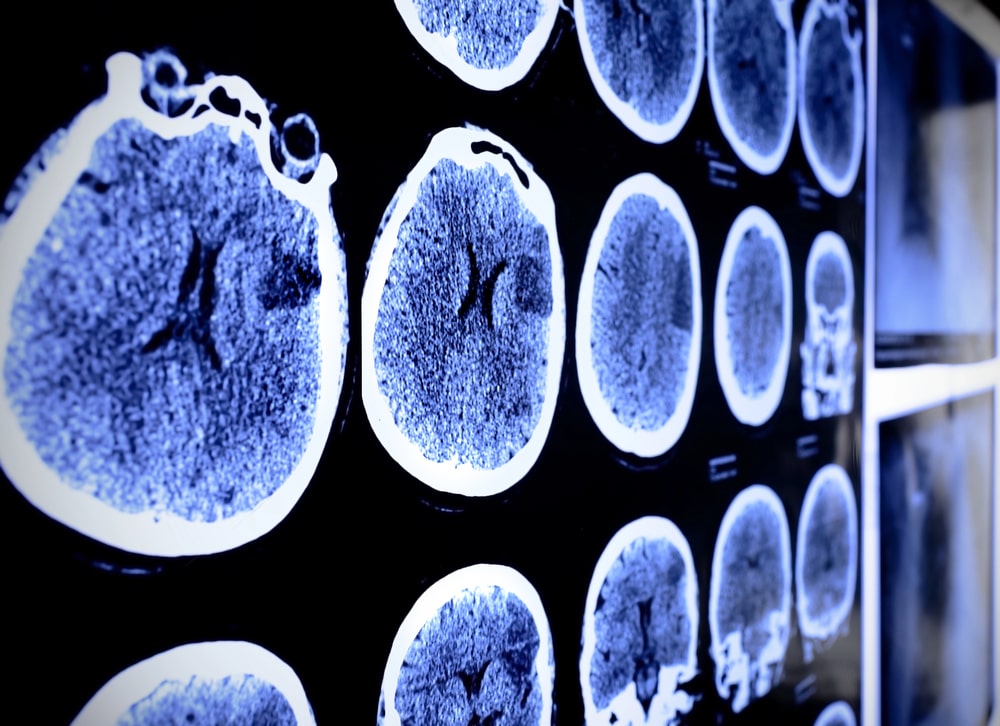
- Imaging results, such as CT scans or MRIs, taken close to the time of the injury
- Neuropsychological evaluations documenting cognitive or behavioral changes
- Statements from family members or coworkers describing noticeable changes
- A consistent treatment record connecting ongoing symptoms to the original incident
Applying Kentucky’s Fault Rule To A Hopkinsville Case
Because Kentucky’s pure comparative fault rule preserves recovery even where an injured person carries significant blame, an insurer’s aggressive fault argument is rarely the end of a valid claim. A Hopkinsville brain injury lawyer can review the evidence to determine a realistic fault allocation rather than accepting an insurer’s initial assessment.
Building Evidence Around A Brain Injury Diagnosis
Because brain injury symptoms can develop gradually, connecting a diagnosis clearly back to the original accident takes careful documentation from the outset. A Hopkinsville brain injury lawyer can help coordinate medical evaluations and gather the records needed to support that connection.
Kentucky’s rule means an insurer’s fault argument rarely closes the door entirely on a brain injury claim, even in cases involving substantial shared responsibility. If you or a family member suffered a brain injury in Hopkinsville and fault is being disputed, reach out to our office to go over the details of what happened.