
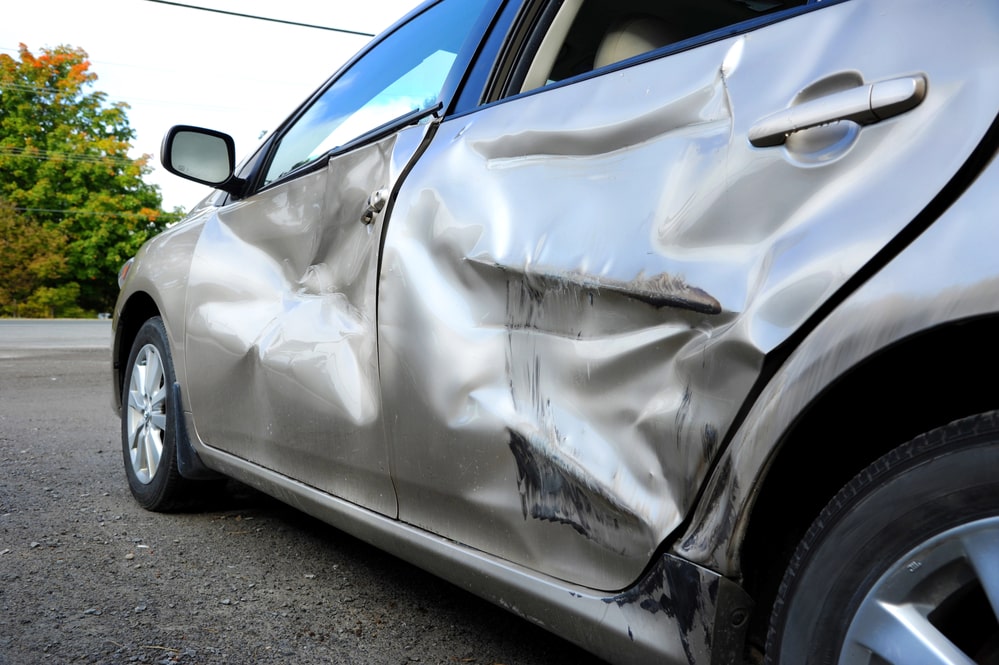
Physical injuries from car accidents are obvious. You can see broken bones on an X-ray. Bruises heal. Cuts leave scars, but what about the panic that grips you every time you merge onto the highway? The nightmares that jolt you awake, replaying the crash over and over? Those injuries don’t show up on medical scans, yet they’re just as real. Kentucky law recognizes this. You can pursue compensation for emotional distress after a car accident. Whether you’ll succeed depends on your specific situation and the evidence you can provide.
What Emotional Distress Actually Means
In legal terms, emotional distress is mental suffering caused by someone else’s actions. After a crash, this might look like:
- Severe anxiety or panic attacks when driving
- Depression that wasn’t there before
- PTSD symptoms triggered by traffic or loud noises
- Insomnia or recurring nightmares about the accident
- Inability to concentrate at work or home
- Overwhelming fear of being in any vehicle
We’re not talking about feeling upset for a few days. These are symptoms that disrupt your life, damage your relationships, and prevent you from functioning normally.
Two Different Legal Paths
Kentucky allows you to claim emotional distress in two ways. The first is straightforward. If you suffered physical injuries in the crash, you can seek compensation for the psychological harm that came with those injuries. Most cases follow this route because the connection is clear and documented. The second path is harder. You might claim emotional distress without any physical injury, but you’ll need to prove the other driver’s behavior was outrageous or intentional. Standard negligence won’t be enough. Think road rage incidents where someone deliberately tried to run you off the road, or cases involving such extreme recklessness that it shocks the conscience.
Building Your Case Takes Real Evidence
Insurance companies won’t just take your word for it. They never do. You need solid documentation showing what you’re experiencing and how the accident caused it. Medical records matter most. Treatment notes from your psychiatrist or therapist carry significant weight. So do prescriptions for anxiety medication or antidepressants that started after the crash. The more consistent your treatment, the stronger your case becomes.
A Hopkinsville car accident lawyer can help you identify what documentation you’ll need. Sometimes people close to you provide the most compelling evidence. Your spouse notices you can’t sleep. Your coworker sees you flinch at sudden sounds. Your best friend knows you won’t get in a car unless necessary. These observations from people who knew you before and after the accident paint a picture that medical records alone can’t capture. Timing matters too. If you had no history of anxiety disorders before the collision and suddenly developed crippling panic attacks afterward, that timeline supports your claim. Pre-existing mental health conditions don’t disqualify you, but they complicate things.
What You Can Recover
Compensation for emotional distress covers multiple areas. You’re entitled to reimbursement for psychiatric care and ongoing therapy. If your symptoms prevented you from working, you can recover those lost wages. Beyond tangible costs, you might receive damages for the mental suffering itself. Kentucky doesn’t cap non-economic damages like pain and suffering in most car accident cases. That’s important. Severe emotional trauma combined with physical injuries can justify substantial compensation, especially when your life has been fundamentally altered.
Expect Pushback From Insurance Companies
They’ll fight these claims hard. Adjusters routinely argue that emotional distress is exaggerated, made up, or unrelated to the accident. They’ll dig into your medical history looking for pre-existing conditions. They’ll claim your symptoms aren’t severe enough to warrant compensation. This is exactly why documentation becomes your shield. Consistent treatment records, professional diagnoses from licensed mental health providers, and testimony from experts who’ve evaluated you can counter every argument they make. Katz Law knows how these companies operate and what evidence actually moves the needle during settlement negotiations.
You’re Working Against The Clock
Kentucky gives you one year from the accident date to file a personal injury lawsuit. One year. That deadline applies whether you’re claiming physical injuries, emotional distress, or both. Miss that deadline and you’ve lost your right to compensation entirely. Don’t wait until your symptoms become unbearable to seek legal help. Early documentation of your psychological state creates a foundation that becomes harder to challenge later.
Your Mental Health Deserves Recognition
Emotional trauma is no less valid than a broken arm. If a car accident left you struggling with anxiety, depression, or PTSD that affects your daily life, you have legal options. What those options look like depends on the specifics of your case and how severe your symptoms are. A Hopkinsville car accident lawyer can review your situation and explain what compensation might be available. Your mental health matters. Kentucky law provides a way to hold negligent drivers accountable for every type of harm they cause, not just the injuries you can see.