
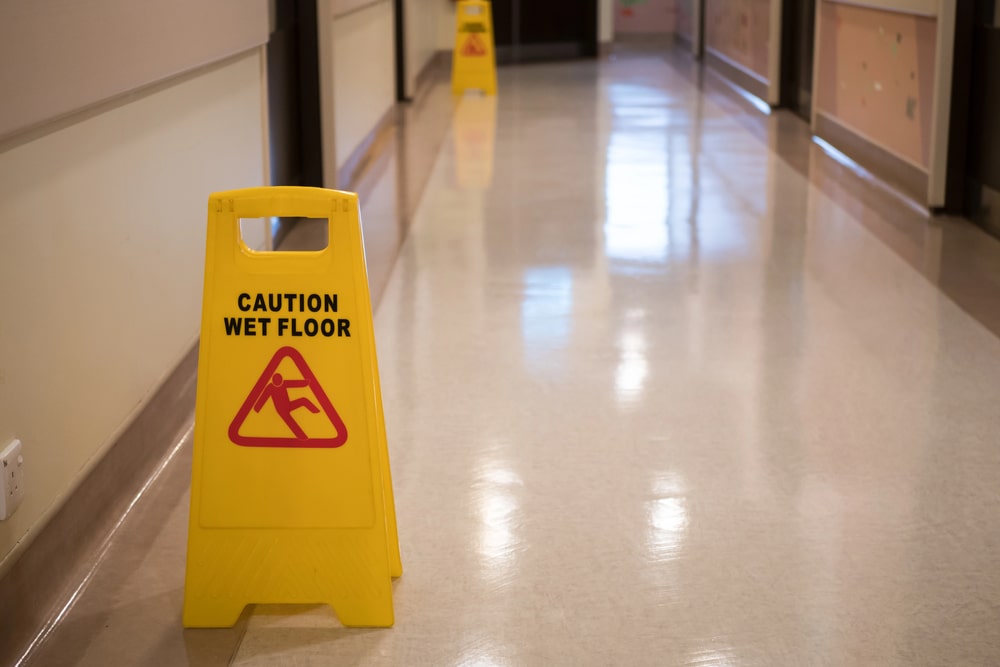
You were shopping at Walmart when you slipped on a puddle in the produce section and fell hard on the floor. Your hip is throbbing, your wrist might be broken, and you’re wondering whether the store is responsible for your injuries. The answer depends on several factors that determine premises liability at big box retailers.
Major retail chains like Walmart, Target, and Costco have sophisticated procedures for handling accident claims, along with legal teams dedicated to minimizing what they pay injured customers. Our friends at Acadia Law Group PC discuss how these retailers track incidents and deploy strategies to avoid liability. A slip and fall lawyer who handles premises liability cases understands these corporate defense tactics and knows what evidence proves negligence at major retail locations.
How Premises Liability Works At Retail Stores
Property owners and businesses have a legal duty to maintain reasonably safe premises for customers. This doesn’t mean stores must prevent every possible accident, but they must take reasonable steps to identify hazards and either fix them or warn customers about them.
To win a premises liability claim against Walmart, Target, Costco, or any other retailer, you need to prove several elements. The store must have either created the dangerous condition, known about it, or should have known about it through reasonable inspection. You must show that the condition actually caused your injury. And you must demonstrate that you were using the property as a reasonable customer would.
The hardest part is usually proving the store knew or should have known about the hazard. Retailers argue they can’t be held responsible for conditions that just developed moments before your accident. This is where timing and evidence become critical.
The Notice Requirement
Stores aren’t automatically liable just because you got injured on their property. They must have had notice of the dangerous condition, either actual or constructive notice.
Actual notice means store employees knew about the hazard. Someone saw the spill, a customer complained about the broken floor tile, or an employee created the dangerous condition themselves. Proving actual notice requires witness testimony or store records showing employees were aware of the problem.
Constructive notice means the condition existed long enough that the store should have discovered it through reasonable inspection and maintenance procedures. If that puddle sat in the produce aisle for two hours while employees walked past it multiple times, the store had constructive notice even if no one specifically reported it.
According to premises liability legal standards recognized across most states, the length of time a hazard existed is key evidence. Fresh spills that just occurred might not give the store enough time to discover and address them. But hazards that persist for extended periods suggest negligence in inspection and maintenance.
Common Accident Types At Big Box Stores
Major retailers see predictable patterns in customer accidents. Understanding common scenarios helps identify where liability lies.
Slip and Fall Accidents
Wet floors from spills, tracked-in rain, or cleaning operations cause frequent falls. Produce sections have liquid from fruits and vegetables. Entry areas get wet during rain or snow. Bathrooms and food service areas accumulate moisture. The question is always whether the store knew about the wetness and how long it existed before your fall.
Trip and Fall Accidents
Merchandise left in aisles, torn carpeting, uneven flooring transitions, and damaged floor tiles create tripping hazards. Stores restocking inventory sometimes leave pallets, boxes, or products blocking walkways. These obstacles are often more visible than wet floors, making it harder for stores to claim they didn’t know about them.
Falling Merchandise
Improperly stacked products, overloaded shelves, and poorly secured displays can fall on customers. This is particularly common at warehouse stores like Costco where products are stacked high on industrial shelving. If merchandise falls and injures you, the store might be liable for improper stacking or inadequate securing.
Parking Lot Accidents
Potholes, inadequate lighting, lack of proper drainage, and poorly maintained parking areas cause injuries before customers even enter stores. Big box retailers are responsible for maintaining safe parking facilities, including clearing ice and snow in appropriate timeframes.
Shopping Cart Injuries
Defective carts with broken wheels, sharp edges, or faulty child seats can cause injuries. Stores must inspect carts regularly and remove damaged ones from use.
What Big Box Retailers Do After Accidents
Major chains have standardized incident response procedures. Understanding these protocols helps you protect your claim immediately after an accident.
Store managers typically arrive quickly when accidents occur. They’ll document the scene with photos, take statements from you and witnesses, and complete incident reports. This documentation can help or hurt your claim depending on what gets recorded.
The manager will likely ask you to sign an incident report. Read it carefully before signing. Make sure it accurately describes what happened and where. If the report contains incorrect information or fails to mention important details like how long the hazard existed, note those problems before signing or refuse to sign an inaccurate report.
Stores often offer to call ambulances or suggest you see their on-site medical personnel. Accept medical treatment if you need it, but understand that documentation created by store-affiliated medical providers might downplay your injuries. Seek independent medical evaluation as soon as possible.
Surveillance Footage Is Disappearing Evidence
Almost every major retailer has extensive surveillance camera systems. This footage often provides the best evidence of how your accident happened and whether the hazard existed before you fell. The problem is that stores typically overwrite this footage after 30 to 90 days.
After any accident at a retail store, you or your attorney need to immediately send a preservation letter requiring the store to save all surveillance footage from the relevant area and time period. Without this formal demand, stores might claim footage was overwritten in the normal course of business.
Surveillance footage can show how long a spill existed, whether employees walked past it without taking action, exactly how your fall occurred, and whether you were using reasonable care. This objective evidence often makes or breaks premises liability claims.
The Store’s Defense Strategies
Walmart, Target, Costco, and other major retailers employ predictable defenses against injury claims. These corporations have claims departments and legal teams specifically trained in minimizing liability.
They’ll argue you weren’t watching where you were going. Comparative negligence laws in most states allow them to reduce your compensation proportionate to your percentage of fault. If they convince a jury you were 30% at fault for not seeing an obvious hazard, your damages get reduced by 30%.
They’ll claim the hazard was “open and obvious,” meaning any reasonable person should have seen and avoided it. This defense sometimes succeeds even when hazards exist, particularly for conditions that are visible and avoidable with ordinary care.
They’ll dispute how long the condition existed, arguing it developed moments before your accident and they hadn’t had reasonable time to discover it. Without witnesses or evidence proving the hazard’s duration, this defense can be difficult to overcome.
They’ll question the severity of your injuries, suggesting you’re exaggerating or had pre-existing conditions that aren’t the store’s responsibility. Their medical reviewers will examine your records looking for alternative explanations for your injuries.
Evidence You Need To Preserve
Building a strong premises liability case requires gathering specific evidence immediately after the accident while it’s still available.
Document the scene thoroughly:
- Take photos of the exact hazard that caused your injury from multiple angles
- Photograph surrounding areas showing context
- Capture any warning signs or lack thereof
- Document poor lighting conditions if relevant
- Note any visible surveillance cameras pointed at the area
- Get contact information from anyone who witnessed the accident
- Write down exactly what happened while memory is fresh
- Keep the shoes and clothing you were wearing
Ask other customers in the area if they noticed the hazard before your accident. Their statements about seeing a spill that had been there for a while provide evidence of constructive notice. Store employees who were nearby might also become important witnesses, though they often support the store’s version of events.
Request a copy of the incident report before leaving the store. You have a right to this documentation. Having your own copy prevents disputes about what was reported.
The Claims Process At Major Retailers
After you report an accident, the store forwards your claim to their insurance company or corporate claims department. Large retailers typically self-insure, meaning they pay claims directly rather than buying traditional insurance policies.
Claims adjusters from these corporate departments will contact you requesting statements and medical records. Remember that they represent the store’s interests, not yours. Anything you tell them can be used to minimize or deny your claim.
They might offer quick settlements before you fully understand your injuries or damages. These early offers are almost always below what your claim is actually worth. Don’t accept settlement offers without having your case properly evaluated by someone representing your interests.
When Store Liability Is Clear
Some situations create strong liability cases against retailers. If a store employee created the hazard or knew about it but failed to fix it or warn customers, liability is relatively clear. Hazards that existed for extended periods with evidence of employee awareness also create strong claims.
Violations of building codes or safety regulations strengthen premises liability cases. If the store failed to follow required maintenance standards and that failure caused your injury, negligence is easier to establish.
Accidents involving falling merchandise due to improper stacking or overloaded shelves often show clear negligence. Stores have specific protocols for safely displaying products, and violations of these protocols support liability claims.
What Your Claim Might Be Worth
Premises liability damages include medical expenses, lost wages, pain and suffering, and permanent impairment if applicable. The value depends on injury severity, required treatment, impact on your daily life, and how clear the store’s negligence was.
Slip and fall cases resulting in broken bones, torn ligaments, back injuries, or head trauma typically have substantial value. Cases involving soft tissue injuries or minor bruising might settle for less. The strength of evidence regarding the store’s knowledge of the hazard significantly affects settlement negotiations.
Major retailers have deeper pockets than individual defendants, but that doesn’t mean they pay more readily. They fight claims aggressively to protect their reputations and discourage future lawsuits. Building a strong case with solid evidence of negligence and your damages is necessary to obtain fair compensation.
Getting injured at a Walmart, Target, Costco, or other major retailer doesn’t automatically entitle you to compensation, but stores that fail to maintain safe premises or ignore known hazards can be held accountable when customers suffer preventable injuries. Understanding how premises liability works at big box stores, preserving the right evidence immediately after your accident, and knowing how corporate claims departments defend these cases helps protect your right to fair recovery for injuries caused by negligent property maintenance.